When a Fan rowhouse listing mentions an alley carriage house or "room for an ADU," the buyer is pricing a future rental, guest suite or in-law unit into the offer. Right now that offer often goes in fast. Richmond's zoning rewrite hasn't been adopted. Whether any particular lot can actually hold a second unit depends on rules that apply parcel by parcel, not on the citywide headline.
Most of the payoff in that listing line comes from a few details that a quick showing won't turn up: which historic layer the lot sits in, how the back of it meets the alley, and how much of it is already covered by the main house.
The Fan is one of the few places where two units survived Draft Three
Richmond's Code Refresh started out much bigger. The Richmonder reported that the first draft would have allowed two primary units plus an ADU on every residential lot, the "2 + 1" concept. After pushback, the second draft swapped that for a "preservation bonus," which allowed a second unit only if the existing home stayed and the new unit went behind it or inside it.
Draft Three, released August 17, 2026, dropped both ideas. Duplexes would be allowed by right only in "residential attached" districts, which are mostly rowhouse blocks in older neighborhoods like the Fan, Museum District, Jackson Ward, Oregon Hill, Union Hill and Church Hill. On those lots an owner could have two units total by right: a duplex, or a main home plus an ADU. The draft also raises the ADU size cap to 1,200 square feet or the main home's floor area, and no ADU could be taller than the main house.
Mayor Danny Avula told The Richmonder that dropping the citywide duplex would probably mean less new housing, but that compromise was needed for "a zoning code that all of our city and all of our City Council can ultimately live with." He also said larger ADUs could mean "the numbers might actually work for more people." VPM's coverage of the release describes the same narrowing.
Here's what matters for a buyer: none of this is law yet. On the city's Code Refresh page, public comment on the Draft Three map closed October 5. Every step after that is listed as "TBD": City Attorney review, drafting the ordinance, introduction at Council, Planning Commission review, and adoption. The Fan District Association sent Mayor Avula and Councilor Katherine Jordan a letter on October 9 objecting to the review process. It called the three-week map comment period inadequate and pointed out that the ordinance runs more than 350 pages with no formal channel for public comment. The two-unit rule could still change before anyone votes on it.
The Fan already has more second units than most of Richmond, for historical reasons. The Richmonder reported that before 2023, owners had to petition for each project individually, which mostly limited ADUs to existing carriage houses in the Fan and Church Hill. Allowing ADUs by right citywide hasn't produced a flood of them. The same outlet counted 117 ADU permits from September 2023 through May 15, 2026, with 38 finished and 79 issued and in progress, and nearly half belonged to one developer building behind rental homes it already owns.
So a carriage house that already exists is the scarce asset in the Fan. A buildable one is a project that has to clear each of the layers below.
Four layers sit between the headline and a specific lot
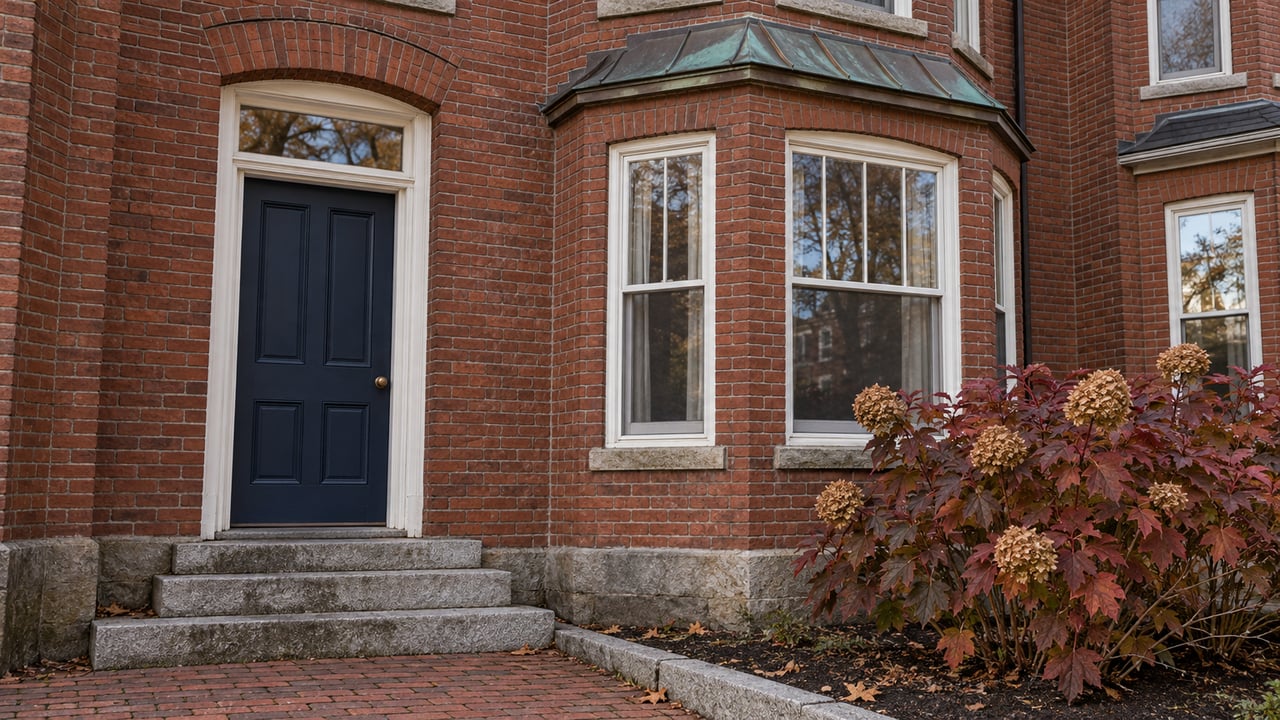
The 1985 National Register nomination describes the Fan Area Historic District as 85 blocks of mostly brick rowhouses and townhouses, about a dozen houses per block. The blocks look alike. The rules on them don't.
Local historic districts. Inside the Fan, the four local districts are Monument Avenue, West Grace Street, West Franklin Street and the Boulevard, as shown on the CAR district flyer. The Commission of Architectural Review issues Certificates of Appropriateness.
The alley. On a rowhouse lot, how a lot meets its alley affects what can be built there.
Footprint, setbacks and coverage. Draft Three's larger cap only helps if the yard can hold it. The Fan District Association has said a 1,200-square-foot ADU is "oversized for most Fan lots."
A demolition overlay now in process. The Fan District Association's Design Overlay proposal applies to demolition only. It would cover buildings listed as contributing in the 1985 National Register inventory or meeting the city's "Historic Resource" definition, and it leaves out the four existing local districts. The association submitted an updated version in October 2026. On October 15, the city's Urban Design Committee voted 9-0 to recommend approval to the Planning Commission. It was presented to the Planning Commission on October 20, and the association's calendar listed a Planning Commission meeting on November 3. Any decision there still has to go through the city's legislative process. A buyer who plans to replace an outbuilding instead of converting it should check where the overlay stands.
Why parcel-level checking runs into a fast market
The Central Virginia Regional MLS September 2026 report for Richmond City, current as of October 10, shows single-family homes selling with a median of 22 days on market. Inventory was down 16.7% from a year earlier to 334 homes, which works out to 1.8 months of supply. Sellers received 99.8% of original list price on average that month. The September median sale price was $392,500, down 3.8% from September 2025, and the rolling 12-month median was $450,000. These are citywide figures, not Fan-only figures, and the report notes they don't account for concessions. Statewide, Virginia REALTORS® reported active listings up 20.4% year over year in September. Richmond City single-family inventory went the other way.
When homes sell near full asking price in about three weeks with under two months of supply, there's little time to check the historic district, alley access and lot coverage after an offer is accepted. A buyer paying extra for a carriage house that already exists is buying something the Fan has always had in limited supply. A premium for an ADU that hasn't been built yet is a bet on today's rules, the lot's physical limits, and a rewrite with no adoption date.
There's one more date in the background. The Richmonder reported that a state law passed in 2026 will require every Virginia locality to allow ADUs in residential areas starting July 1, 2027. Richmond has allowed them since 2023, so the law matters more for comparing the Fan with suburban counties than for anything changing inside the city.
Quick answer for Fan buyers
When will Code Refresh take effect? The city hasn't set a date. Its process table lists the ordinance, Planning Commission review and Council adoption as "TBD."
This post is general information, not legal, tax or financial advice. Zoning and historic review apply parcel by parcel, so confirm your property's situation with the City of Richmond and the right professional before you rely on a second unit.
If a carriage house or ADU plan is part of what you're paying for in the Fan, Search RVA Homes can pull recent sales of comparable rowhouses with and without second units so you can see what that feature has actually sold for. For sellers, get your instant home valuation and we'll show you how to present an existing carriage house so buyers see it in the listing.