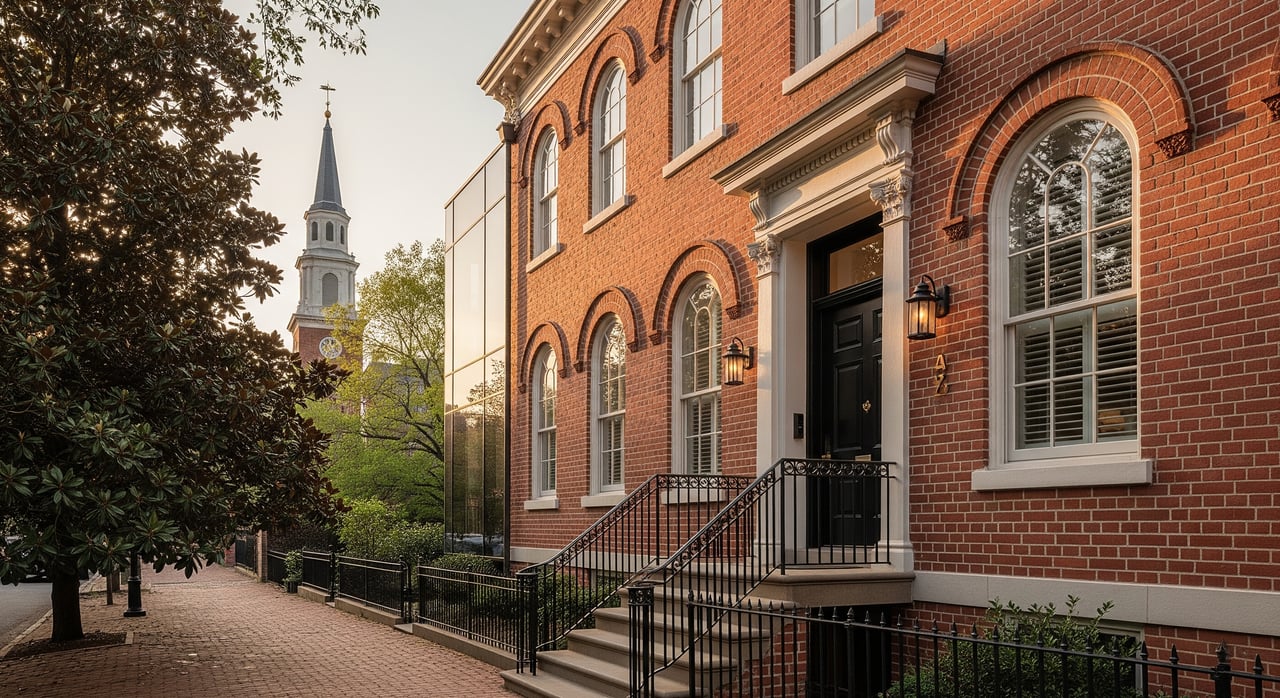
Do you love the character of older homes but want an easy, modern lifestyle close to downtown? If so, Church Hill might be on your shortlist. You want walkable blocks, great parks, and a neighborhood with personality that still fits everyday needs. In this guide, you’ll learn what living in Church Hill feels like, the types of homes you’ll find, how to get around, and what to know before buying a historic property. Let’s dive in.
Where Church Hill fits in Richmond
Church Hill sits just east and northeast of downtown Richmond on higher ground that overlooks the city and the James River. People often use names like Old Church Hill, North Church Hill, and nearby Union Hill and Chimborazo when talking about the area. Exact borders vary by map, so check City of Richmond neighborhood resources when you need precise lines.
Homes and architecture
Church Hill is known for its 18th and 19th century roots, with many blocks lined by brick rowhouses and townhomes. You’ll see Federal and Greek Revival facades, Italianate and Victorian details, and a handful of free‑standing historic homes. Lots are often narrow with front porches and small rear yards, and many interiors reflect updates layered over older structures.
You’ll find a mix of older single‑family homes, multifamily conversions, and newer infill or townhomes in certain pockets. Ownership and rentals sit side by side, and in recent years the neighborhood has seen more owner renovations. Home values have generally trended up relative to the city average, but you should rely on current MLS data for up‑to‑the‑minute pricing and days on market.
A day in Church Hill
Many streets feel calm and residential, with porches, street trees, and short blocks that make walking easy. Small commercial clusters offer local cafes, restaurants, and everyday services. Side streets tend to be quieter, while the busier corridors carry more activity.
Parks and views
Libby Hill Park is a local favorite for its city views. Chimborazo Park provides large open areas and a touch of neighborhood history. You’ll also come across smaller pocket parks and playgrounds. Regional trails and riverfront greenways are a short drive or bike ride away, depending on where you live in the neighborhood.
Shopping and daily needs
Church Hill leans local, with independent eateries, bars, and small retailers serving nearby blocks. You will not find large malls in the neighborhood, but downtown and other Richmond districts are close for bigger grocery runs and specialty errands.
Getting around
Church Hill is one of the closest residential areas to downtown Richmond, which keeps many commutes short by car, bike, or transit. The GRTC bus network serves the neighborhood, though exact routes and schedules change over time, so always confirm current details. Drivers can reach the I‑95 and I‑64 interchange near downtown quickly, but traffic patterns vary by time of day. Walking is common, and biking is feasible for short trips, though the hills can add a workout.
Parking and outdoor space
On‑street parking is common, and lot sizes are usually modest. Some properties include off‑street parking or garages added during renovations, so check each listing for specifics. Expect porches and small backyards. If a larger yard or dedicated parking is important, filter your search to focus on those features.
Schools and childcare
Church Hill is within Richmond Public Schools. For the most accurate information on zoning, assignments, and school reports, contact the district and review current maps and resources. Private and charter options exist across the metro area. For childcare and preschool, check local directories and community groups to confirm availability and waitlists.
Safety and crime trends
Perceptions of safety can vary block by block and by time of day. To understand current conditions, review Richmond Police Department crime maps and the city’s open data dashboards. Neighborhood associations and community programs often share updates, meeting notes, and safety initiatives.
Buying a historic home: what to expect
Many Church Hill homes are older, which can mean character plus maintenance. A thorough home inspection is essential, ideally with professionals who understand historic properties. Common issues include outdated electrical systems such as knob‑and‑tube or aluminum wiring in older homes, aging HVAC, original plaster, less insulation, lead paint, and older plumbing materials. Budget time and funds to address these items.
Permits and preservation rules
Parts of Church Hill fall within historic districts or conservation overlays. Exterior changes such as windows, porches, and facade work may require design review or approval. Always check with the City of Richmond Planning and Historic Resources teams and the Virginia Department of Historic Resources for the latest rules and potential incentives.
Budgeting for updates
Historic homes often have higher renovation and maintenance costs. Build a contingency into your budget for items that surface once walls open. Prioritize safety and systems first, then move to finishes. Insurance for older homes can carry specific requirements, so talk to your carrier early in the process.
Zoning and new construction
You will see infill construction in some parts of Church Hill. Zoning controls what can be built, lot coverage, and setbacks. If you plan to renovate, expand, or build, consult City of Richmond zoning maps and staff to confirm what is allowed on your lot.
How Church Hill compares nearby
Church Hill stands out for its historic rowhouse character, elevated views in certain spots, and its mix of quiet streets with small commercial clusters. Nearby areas like the Museum District, Scott’s Addition, and Jackson Ward offer different housing types and commercial scenes. If you want a strong historic identity in a central location, Church Hill is worth a close look.
Is Church Hill a fit for you?
Choose Church Hill if you value historic architecture, walkable blocks, and quick access to downtown. It suits buyers who appreciate older homes, understand the upkeep that can come with them, and want neighborhood amenities without a long commute. If you prefer larger lots or off‑street parking, focus your search on homes that already include those features.
If you are ready to explore homes or want a custom market report for Church Hill, reach out. You can also use our MLS‑powered tools to set up saved searches and get frequent updates. When you are thinking of selling, our marketing‑forward approach helps your home stand out with professional staging, photography, and video.
Ready to take the next step? Connect with Mark Cipolletti to set up a custom Church Hill search or to get started on your sale. Get Your Instant Home Valuation.
FAQs
What does a typical weekday feel like in Church Hill?
- You’ll find quiet residential blocks, a few lively corridors with cafes and restaurants, and easy walks to parks like Libby Hill and Chimborazo.
How close is Church Hill to downtown Richmond?
- It is one of the closest residential neighborhoods to the central business district, so many commutes are short by car, bike, or transit.
What kinds of homes are common in Church Hill?
- Expect brick rowhouses and townhomes with Federal, Greek Revival, Italianate, and Victorian details, plus a few free‑standing historic homes and some newer infill.
Is on‑street parking typical in Church Hill?
- Yes, on‑street parking is common due to modest lot sizes; some homes include off‑street spaces or garages added during renovations.
What should I know about historic‑district rules before renovating?
- Portions of Church Hill require design review for exterior changes; always confirm requirements with the City of Richmond and state historic resources.
How walkable and bikeable is Church Hill?
- Many blocks are walkable for daily errands and parks, and biking works for short trips, but hills can affect routes and effort.
What are common inspection findings in older Church Hill homes?
- Inspectors often flag older wiring, aging HVAC, less insulation, original plaster, lead paint, and older plumbing, so plan for updates and contingencies.