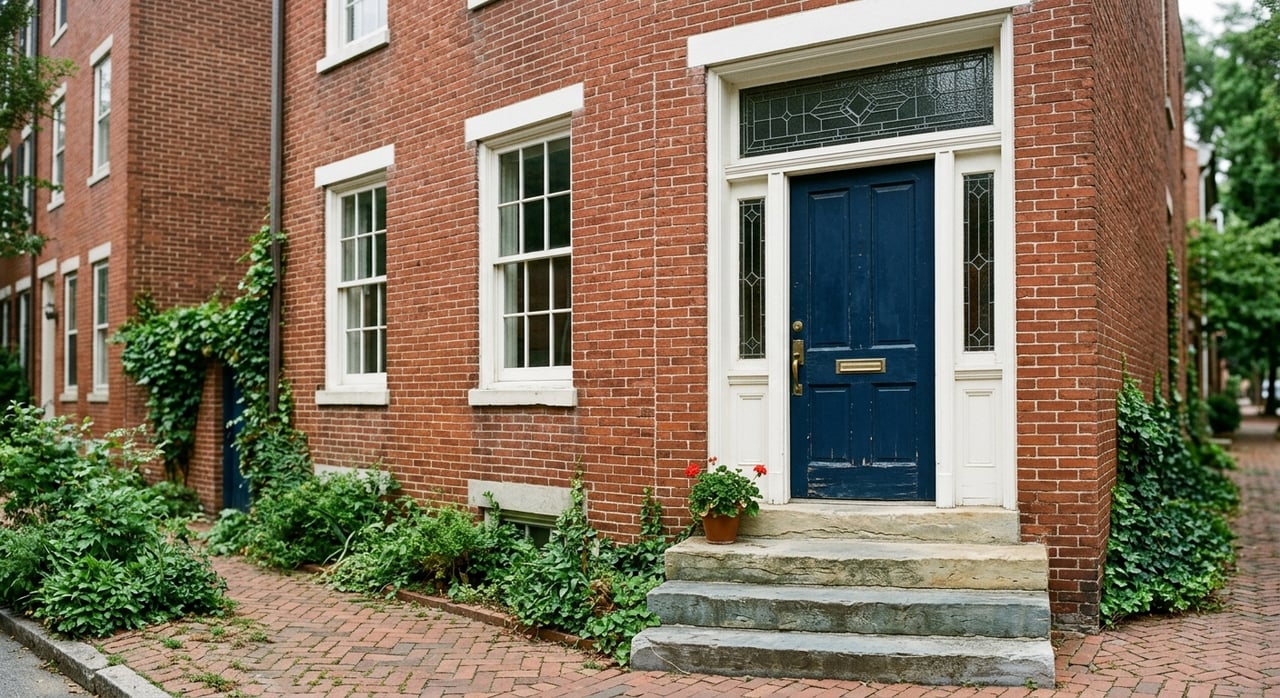
Selling a historic home in the Fan District is not the same as selling a standard house in Richmond. Buyers are not just comparing bedroom counts or kitchen finishes. They are responding to architecture, block character, and the feeling of living in one of the city’s most recognized historic areas. If you want the right result, your marketing has to tell that full story clearly and professionally. Let’s dive in.
Why Fan District homes need a different strategy
The Fan Area Historic District stands out because of its architectural consistency and scale. According to the Virginia Department of Historic Resources, the district includes nearly 100 city blocks and more than 2,000 buildings, with a strong sense of visual unity created by similar heights, setbacks, materials, tree planting, rooflines, and porch styles.
That matters when you sell. In the Fan, the neighborhood is part of the product. Buyers are often drawn to both the house itself and the larger streetscape around it, including the mature canopy, historic façades, and walkable access to restaurants, coffee shops, murals, bars, and live music described in public neighborhood profiles.
Start with the home’s historic identity
A strong listing starts by being specific about what the home is. Instead of using a vague label like “charming old home,” your marketing should identify the likely era, architectural style, and build date when known.
That approach helps buyers understand the property right away. The Fan includes styles such as Queen Anne, Italianate, Richardsonian Romanesque, Tudor Revival, Colonial Revival, Second Empire, Art Deco, and Beaux-Arts, reflecting a neighborhood largely built between the late 1800s and the 1920s.
If your home has details tied to one of those styles, those details should lead the story. Buyers interested in historic homes tend to value craftsmanship, original materials, and architectural character, so your marketing should speak to that audience directly.
Focus on features buyers can see
The most effective listing copy usually highlights character-defining features that connect the home to the Fan streetscape. That can include the façade, porch, roofline, brick or stone texture, tall windows, original trim, stair details, or how the home sits within the rhythm of the block.
This is especially important in the Fan because the district is valued not just for individual houses, but for how those houses work together visually. A listing that only talks about square footage and room count can miss what makes the property memorable.
Tell the story of the block too
Historic homes in the Fan do not exist in isolation. The Virginia Department of Historic Resources notes that the district’s appeal comes in part from its uniform setbacks, lively rooflines, varied porches, compatible materials, and tree-lined streets.
That means your marketing should include the home’s street context, not just the interior. Buyers want to picture daily life there, and that often starts with the front steps, the view down the block, and the feeling of the surrounding streetscape.
What to emphasize in listing copy
When you market a Fan District home, your description should balance architecture, updates, and lifestyle. A few strong points often matter more than a long list of generic features.
Consider emphasizing:
- Architectural style and approximate construction period
- Original details that remain intact
- Exterior elements that contribute to curb appeal
- Major updates with dates, when available
- How the house fits the block and historic setting
- Nearby neighborhood amenities such as restaurants, coffee shops, and cultural spots
Use photography as a core selling tool
Online presentation is central to how buyers discover homes. National Association of Realtors guidance cited in the research report notes that 81% of buyers rated listing photos as the most useful feature in their online search, while nearly half began their search online and 52% found the home they purchased online.
For a Fan District property, that means photography is not a side detail. It is a key part of the marketing plan. The first image should instantly signal character and place.
Lead with the right first image
A historic listing often benefits from opening with an exterior façade, front porch, staircase, or another detail that clearly communicates age and craftsmanship. In the Fan, that first impression can help a buyer stop scrolling and pay attention.
A generic wide shot of an empty room usually does less to set the tone. If the home’s appeal is tied to architecture and setting, the opening visuals should reflect that.
Show context, not just rooms
Street-level and exterior context photos can be especially valuable in the Fan. Tree cover, consistent setbacks, porches, and rooflines are part of what buyers are responding to, so the block itself should be presented as an asset.
Inside, the goal is to show the home honestly and attractively. Clean, bright images that preserve the personality of the house usually work better than over-styled or overly dramatic visuals.
Prep the home for photos carefully
Historic homes have personality, but clutter can hide it. Seller photo-prep guidance in the research report recommends opening blinds, cleaning windows and walls, removing distracting items, and reducing furniture where needed so rooms feel clear and balanced.
That advice is especially useful in older homes, where beautiful trim, fireplaces, built-ins, or window shapes can get lost if the room feels crowded. Buyers should feel that the home they see online matches what they experience in person.
Be factual about updates and maintenance
One of the biggest buyer questions with a historic home is simple: what is original, and what has been updated? Your marketing should answer that clearly.
The safest and strongest approach is factual, chronological language. Instead of broad claims, use direct details such as kitchen updated, roof replaced in 2022, windows restored, original trim preserved, or mechanical systems recently serviced, supported by records when available.
Why documentation matters
Historic-home buyers often appreciate original character, but they also want practical information. Clear maintenance and improvement records can build confidence and reduce uncertainty.
This is where a thoughtful marketing plan helps. Instead of treating updates as an afterthought, your listing should present them as part of the home’s ongoing story.
Handle historic-district rules carefully
If your property is in or near a historic district, accuracy matters. The research report makes an important distinction: National Register recognition is not the same as local regulatory oversight.
In Richmond, the Commission of Architectural Review has authority related to certificates of appropriateness for construction, alteration, reconstruction, repair, restoration, or demolition within old and historic districts, and it adopts architectural guidelines and standards. Because local boundaries and statuses can vary, sellers should confirm a parcel’s specific status before making claims about approvals, restrictions, or prior work.
What to say in marketing
Your listing should avoid legal interpretations or sweeping statements about what can or cannot be done. Instead, stick to verifiable facts.
That can include:
- Exterior work completed, with dates if known
- Restoration work performed
- Improvements made to systems or finishes
- Records or approvals on hand, if applicable
- Confirmation that buyers should verify future project requirements directly with the appropriate local authority
This keeps your marketing clear, useful, and credible.
Anticipate the questions buyers will ask
The right buyer for a Fan District home is often looking for more than a turnkey checklist. They may care deeply about the house’s history, but they also want to know how it functions day to day.
A strong marketing plan should answer likely questions before a showing even happens. That makes the home feel more transparent and can lead to better conversations once buyers step inside.
Common buyer questions to address
Your listing and pre-listing prep should be ready to answer questions like:
- Is this home historically significant, or is it simply older?
- What original features remain?
- What major systems or finishes have been updated?
- How does the home fit modern daily life?
- What makes this particular block or section of the Fan appealing?
When those answers are built into the marketing, buyers can connect emotion with practical value.
Match the marketing to the buyer
Historic-home marketing works best when it targets people who already appreciate older properties. That does not mean limiting your audience. It means presenting the home in a way that resonates with the people most likely to recognize its value.
For a Fan District seller, that usually means a strategy built around story, visuals, and precise details rather than generic real estate language. The goal is not just more visibility. The goal is better visibility with the right buyers.
Why presentation can shape your result
In a neighborhood as visually distinct as the Fan, average marketing can undersell a special home. If the architecture, location, and updates are not communicated well online, buyers may never fully understand the opportunity.
That is why a thoughtful launch matters. Strong listing copy, professional photography, video, and clear update documentation can help your home stand out for the right reasons from day one.
If you are preparing to sell a historic home in the Fan District, the best first step is building a plan that respects the property’s character and presents it with precision. For expert help with pricing, presentation, and a marketing strategy built for Richmond homes, connect with Mark Cipolletti.
FAQs
How should you market a historic home in Richmond’s Fan District?
- Focus on the home’s architectural style, approximate age, visible historic details, documented updates, and its connection to the surrounding block and neighborhood setting.
What details matter most in Fan District listing photos?
- Exterior façade shots, porches, staircases, original trim, and street-context images often matter most because they show the character buyers expect in the Fan.
What should sellers disclose about updates in a Fan District historic home?
- Sellers should present updates factually with dates and records when available, such as roof replacement, restored windows, kitchen improvements, or serviced mechanical systems.
What is the difference between a historic home and an older home in Richmond?
- A historic home usually has recognized significance tied to architecture, events, people, or its place within a historic district, while an older home is simply a home built in an earlier period.
Why does online presentation matter when selling a Fan District home?
- Most buyers begin their search online, and listing photos are one of the most useful tools in that process, so strong visuals and clear copy can shape whether buyers engage with the home at all.